Free lessons, worked step by step
Clear lessons on the topics students get stuck on, each with a worked example, the mistakes people make, a quick check, and an interactive simulation where it helps. Free, no sign-in needed.
Engineering
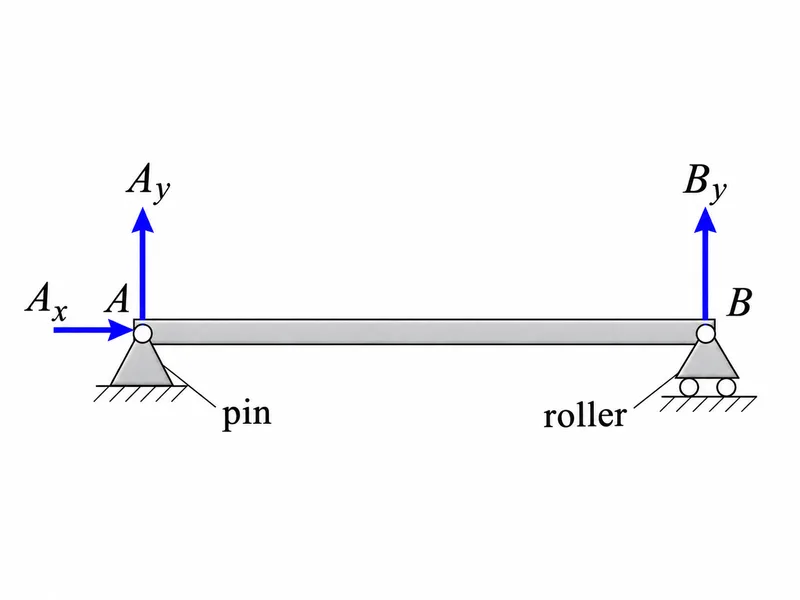 Beam support reactionsHow to find the support reactions of a simply supported beam with point loads and distributed loads, step by step, with an interactive beam.First-year engineering · 10 min · simulation · 3 diagramsStart lesson
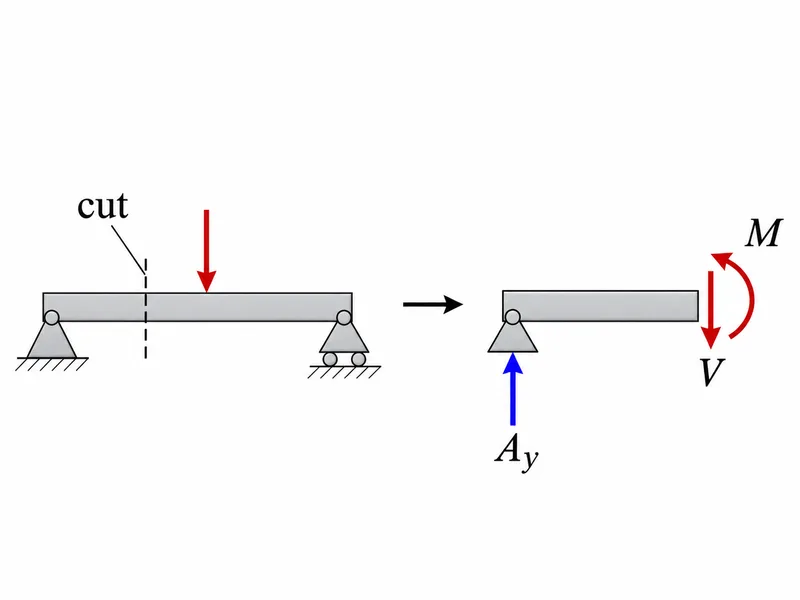 Shear force and bending moment diagramsHow to draw shear force and bending moment diagrams for a simply supported beam, with the rules that make them quick and an interactive example.First- and second-year engineering · 12 min · simulation · 3 diagramsStart lesson
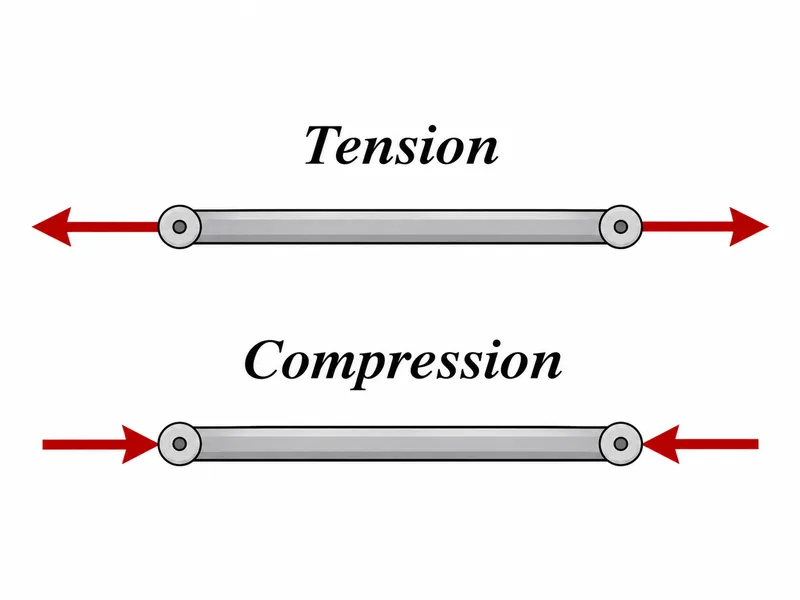 Trusses: the method of jointsHow to find the force in every member of a truss using the method of joints, with tension and compression explained and an interactive truss.First-year engineering · 12 min · simulation · 2 diagramsStart lesson
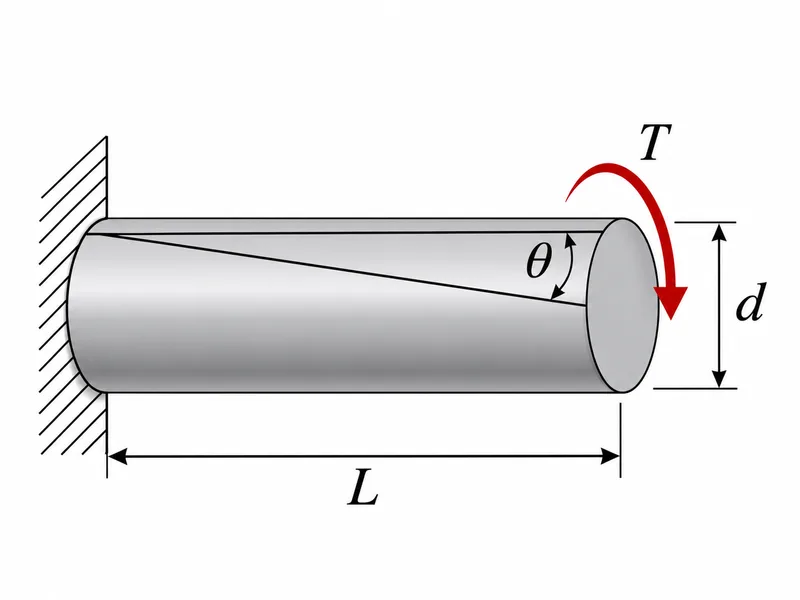 Torsion in circular shaftsHow torque twists a circular shaft: the torsion formula for shear stress, the polar moment of area, and the angle of twist, with a worked example.Second-year engineering · 10 min · simulation · 3 diagramsStart lesson
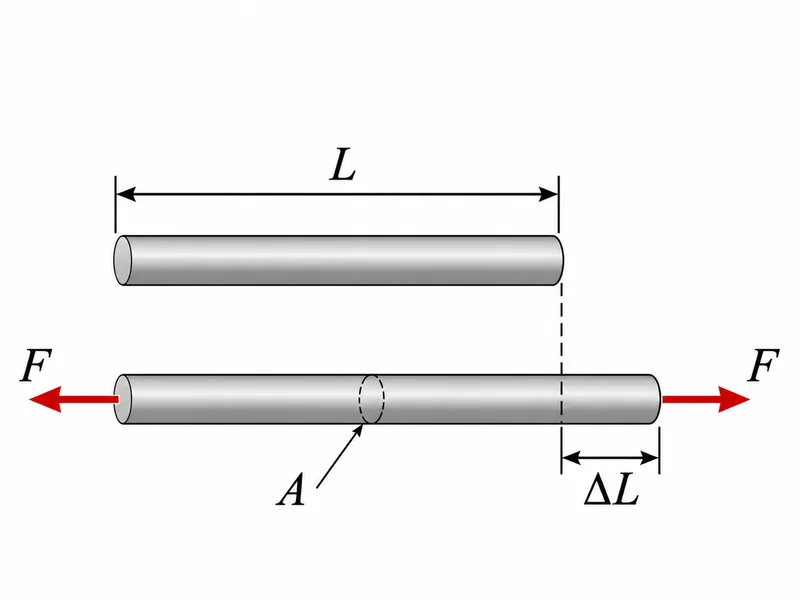 Stress and strainWhat stress and strain are, how Young's modulus links them, and how to find how much a loaded rod stretches, with a worked example.Senior school and first-year engineering · 8 min · simulation · 3 diagramsStart lesson
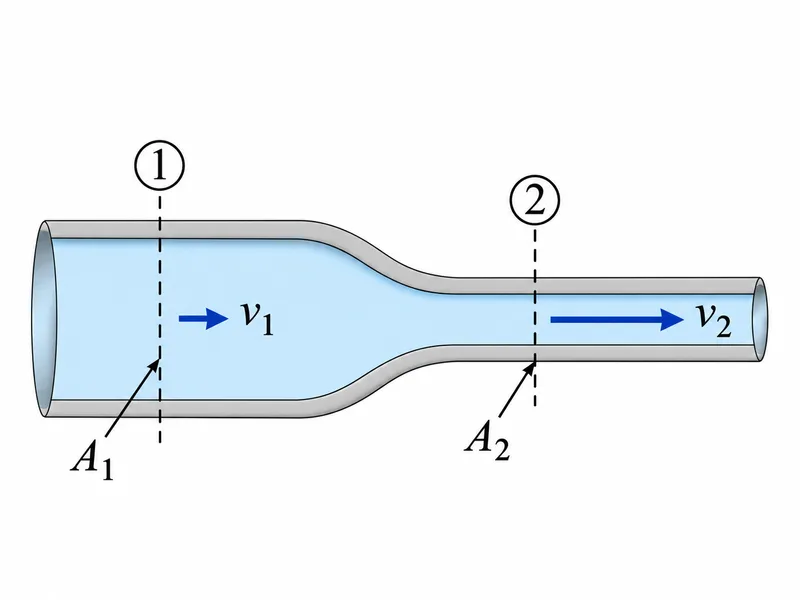 Bernoulli's equationWhat Bernoulli's equation says about pressure, velocity and height in a flowing fluid, when you can use it, and a worked example with a narrowing pipe.Senior school and first-year engineering · 10 min · 2 diagramsStart lesson
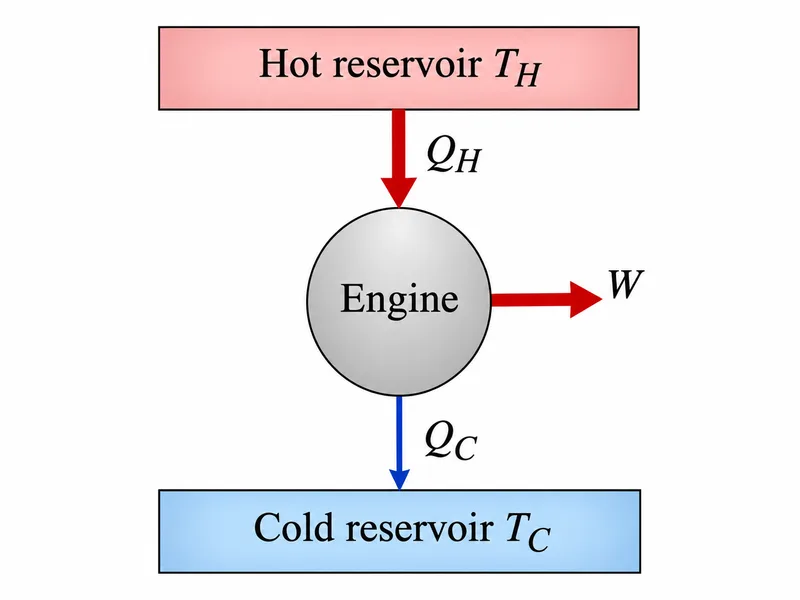 The Carnot cycle and heat engine efficiencyWhy no heat engine can be 100% efficient, how the Carnot efficiency sets the limit, and how to use it to check whether an engine claim is possible.Senior school and first-year engineering · 8 min · 2 diagramsStart lesson
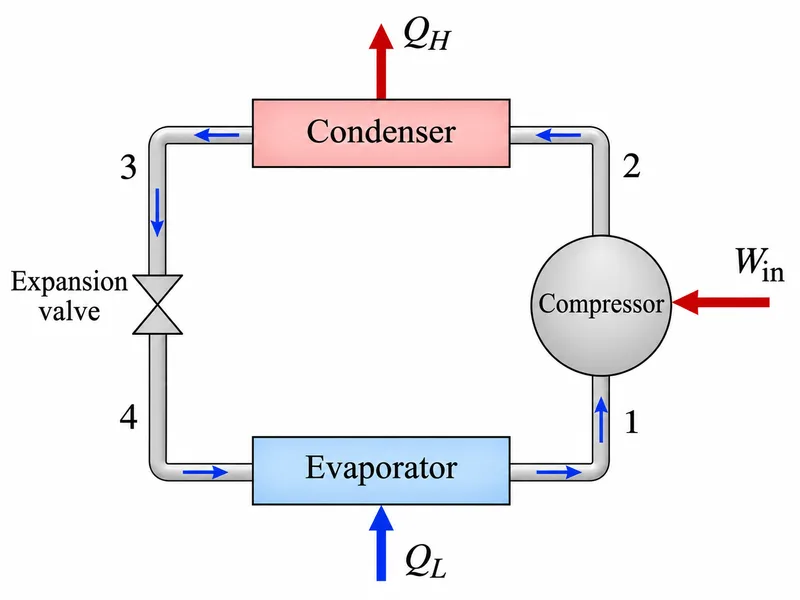 The vapour-compression refrigeration cycleHow fridges and air conditioners move heat using the vapour-compression cycle, what COP means, and how to calculate it from refrigerant enthalpies.Second- and third-year engineering · 12 min · 2 diagramsStart lesson
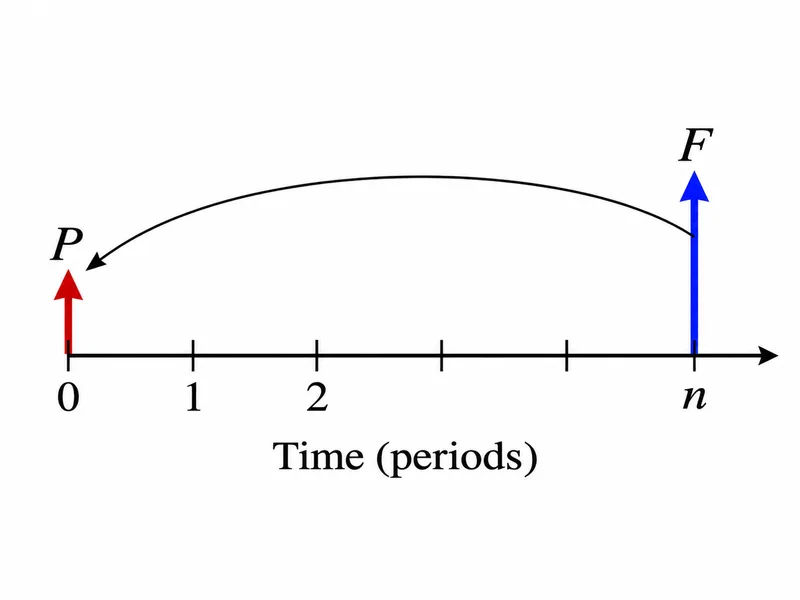 Present worth and the time value of moneyWhy money now is worth more than money later, how to discount a future amount or a series of payments to present worth, and how engineers compare projects.Engineering economics · 10 min · 2 diagramsStart lesson
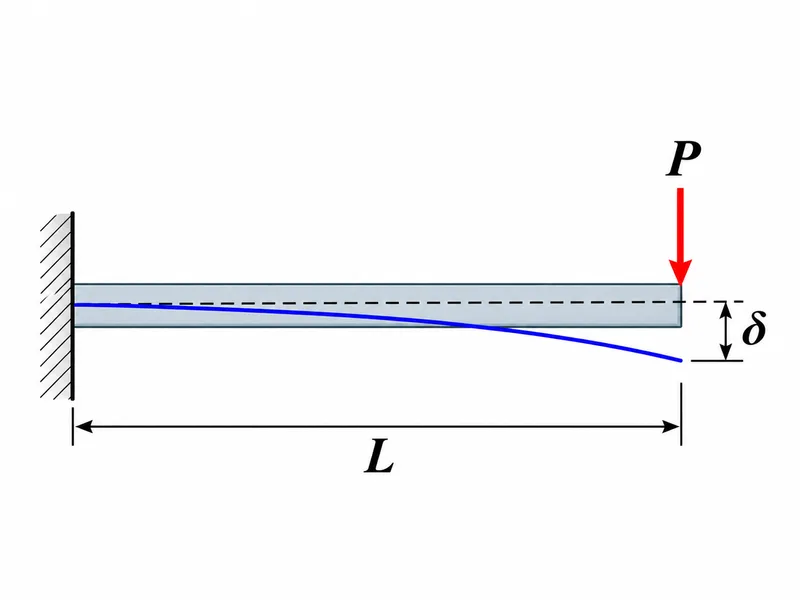 Beam deflectionCalculate cantilever tip deflection using load, span, elastic modulus and second moment of area, with worked examples.First-year engineering · 10 min · simulation · 2 diagramsStart lesson
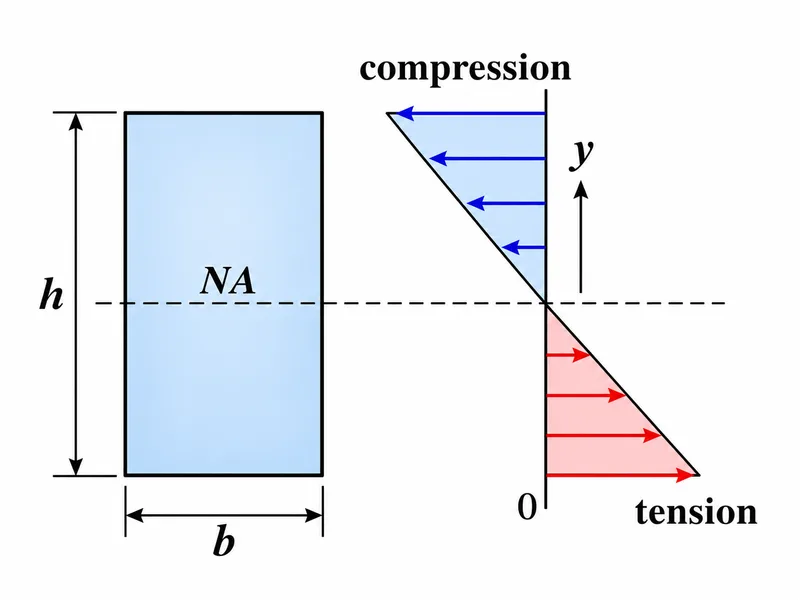 Bending stress in beamsUse the flexure formula to find beam bending stress, identify the neutral axis and locate maximum tension and compression.First-year engineering · 10 min · 2 diagramsStart lesson
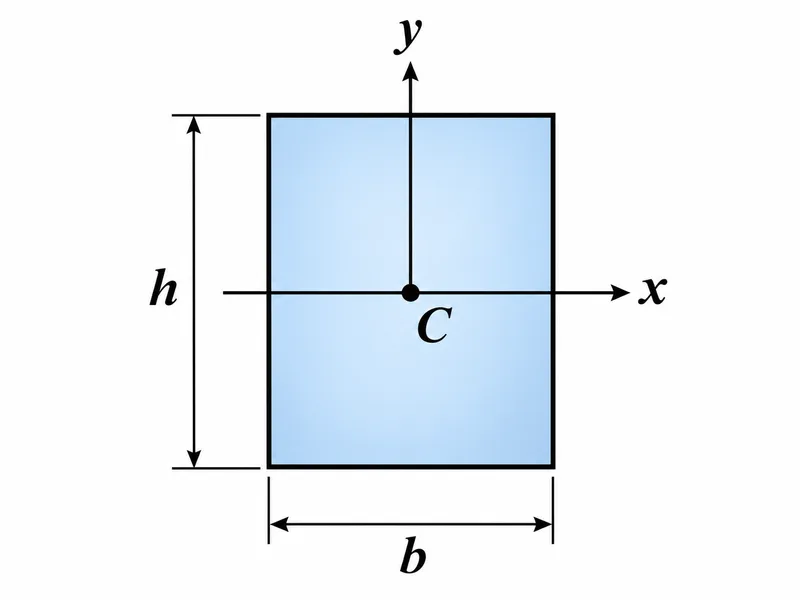 Centroids and second moment of areaFind composite-area centroids and second moments of area with the rectangle formula and parallel-axis theorem.First-year engineering · 10 min · simulation · 2 diagramsStart lesson
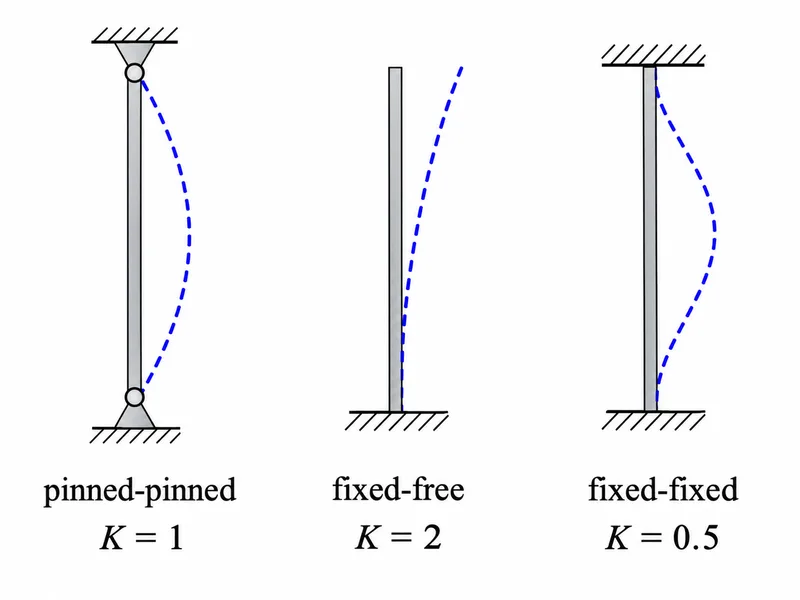 Column buckling and Euler's formulaCalculate Euler buckling loads, choose effective-length factors, and learn when elastic column buckling governs.Second-year university engineering · 10 min · simulation · 2 diagramsStart lesson
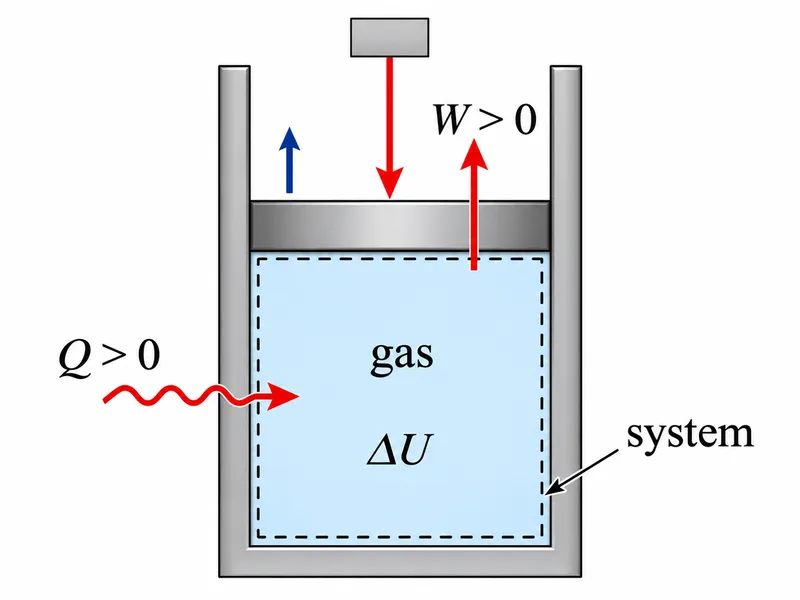 The first law of thermodynamicsUnderstand energy conservation, heat and work sign conventions, and piston boundary-work calculations for closed systems.Second-year university engineering · 10 min · 2 diagramsStart lesson
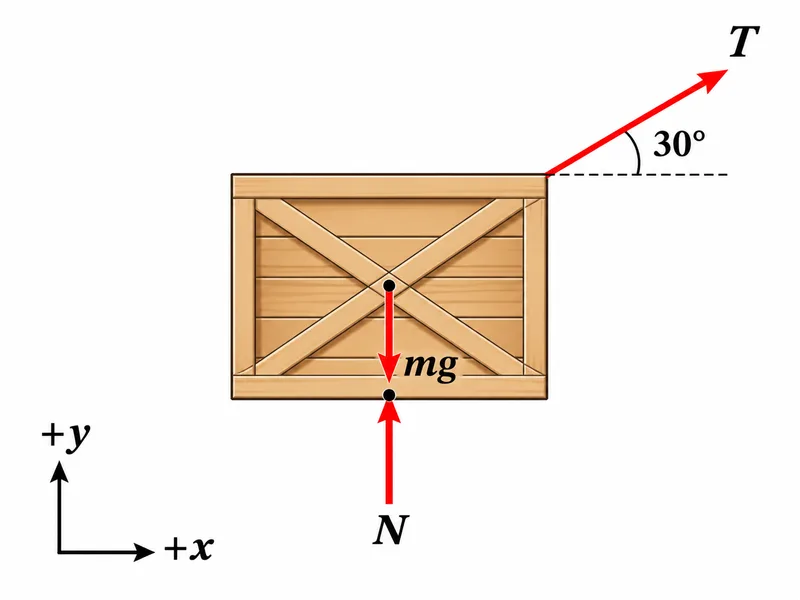 Free body diagramsLearn to draw free body diagrams, resolve forces and apply Newton’s second law to equilibrium and acceleration problems.First-year engineering · 10 min · simulation · 2 diagramsStart lesson
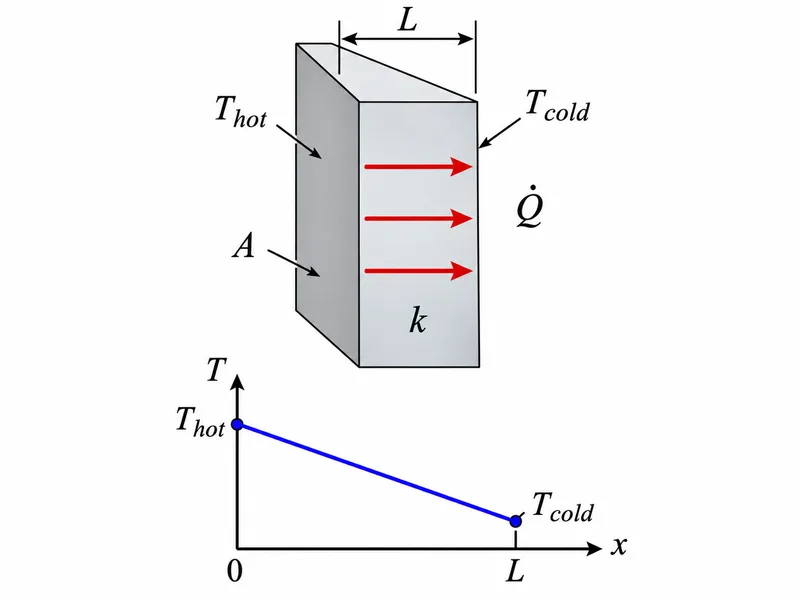 Heat conduction through wallsCalculate steady heat flow through walls using Fourier law, temperature differences and thermal resistances.Second-year university engineering · 10 min · 2 diagramsStart lesson
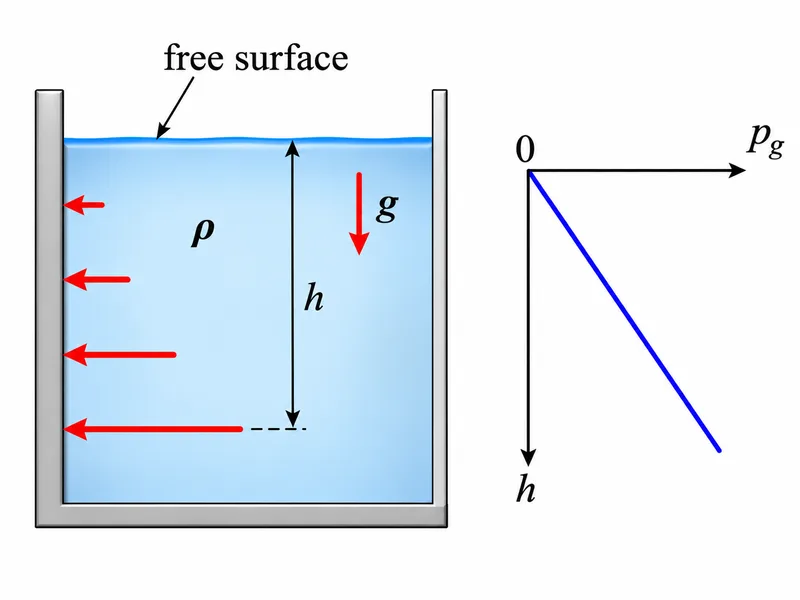 Hydrostatic pressure and buoyancyLearn pressure at depth, gauge and absolute pressure, Archimedes principle, and buoyancy force calculations.Second-year university engineering · 10 min · 2 diagramsStart lesson
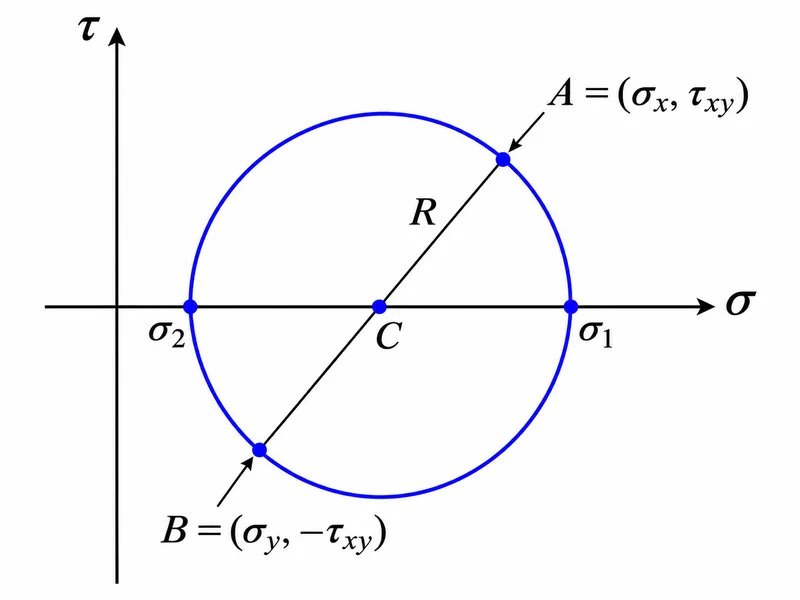 Mohr's circle for plane stressLearn how to draw Mohr's circle, find principal and maximum shear stresses, and check plane-stress transformations.Second-year university engineering · 10 min · simulation · 2 diagramsStart lesson
Physics
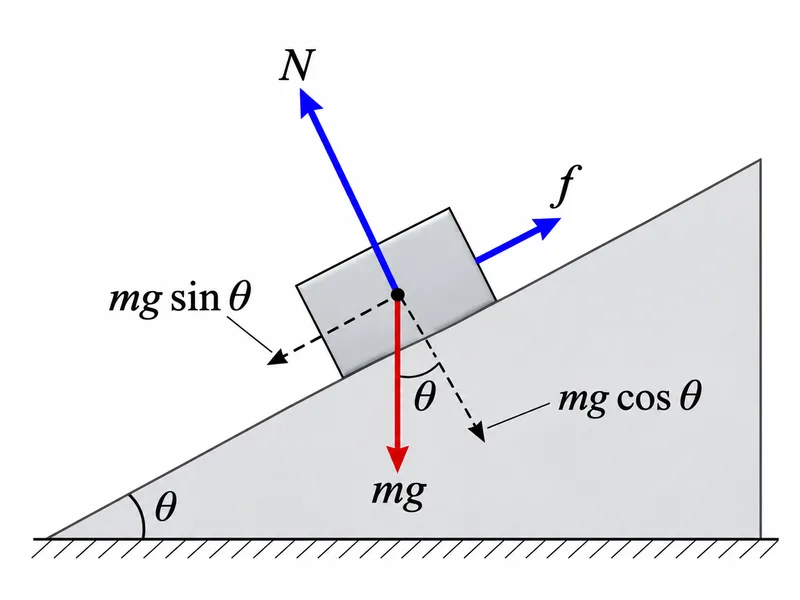 Friction on an inclined planeHow to resolve forces on a slope, decide whether a block slides, and find its acceleration with friction, with an interactive incline.Senior school and first-year physics · 10 min · simulation · 2 diagramsStart lesson
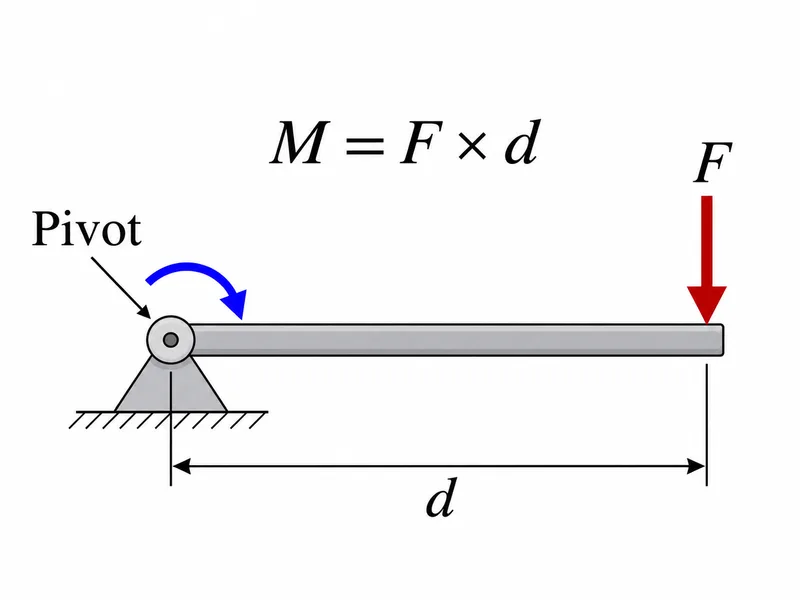 Moments and leversWhat a moment is, the principle of moments, and how levers and seesaws balance, with a worked example and an interactive lever.Senior school physics · 7 min · simulation · 3 diagramsStart lesson
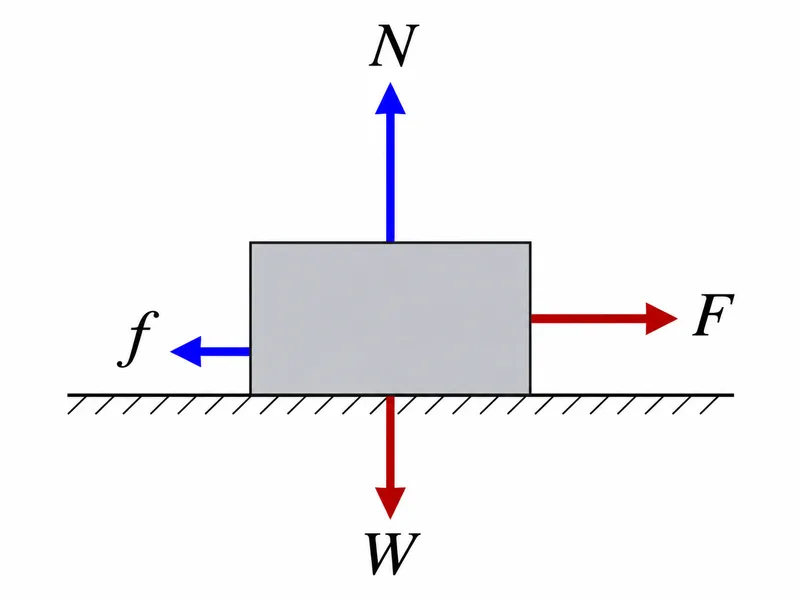 Newton's second lawWhat F = ma really means, how to use net force with free-body diagrams, and a worked example with a car accelerating against drag.Senior school physics · 8 min · 2 diagramsStart lesson
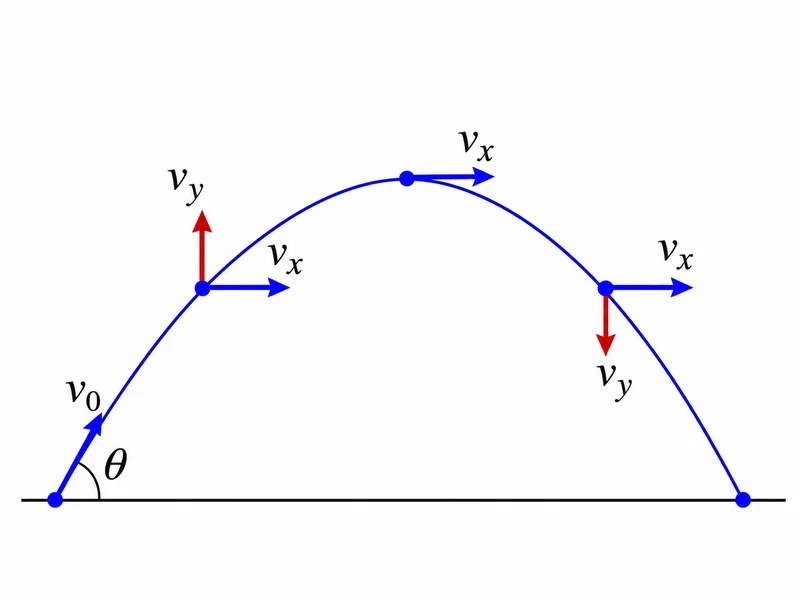 Projectile motionHow to split a projectile's motion into horizontal and vertical parts and find its time of flight, maximum height and range, with a worked example.Senior school physics · 10 min · 3 diagramsStart lesson
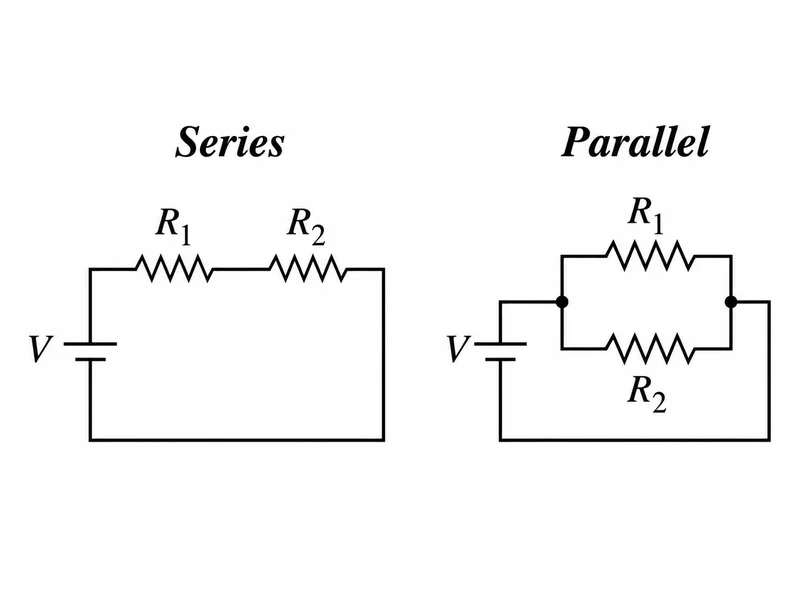 Ohm's law, series and parallel circuitsHow voltage, current and resistance relate, how to combine resistors in series and parallel, and a worked example finding every current in a circuit.Senior school physics and first-year engineering · 10 min · 2 diagramsStart lesson
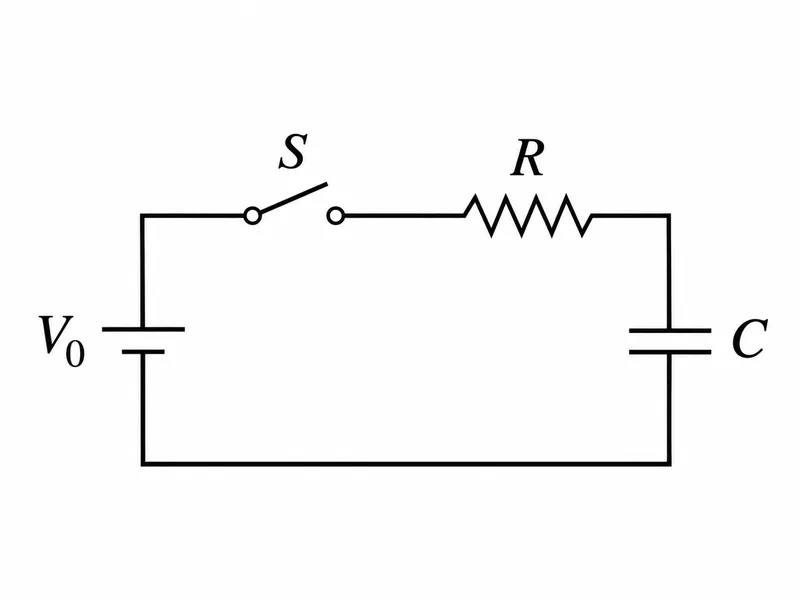 RC circuits: charging a capacitorHow a capacitor charges and discharges through a resistor, what the time constant RC means, and how to find the voltage at any time.Senior school physics and first-year engineering · 10 min · 2 diagramsStart lesson
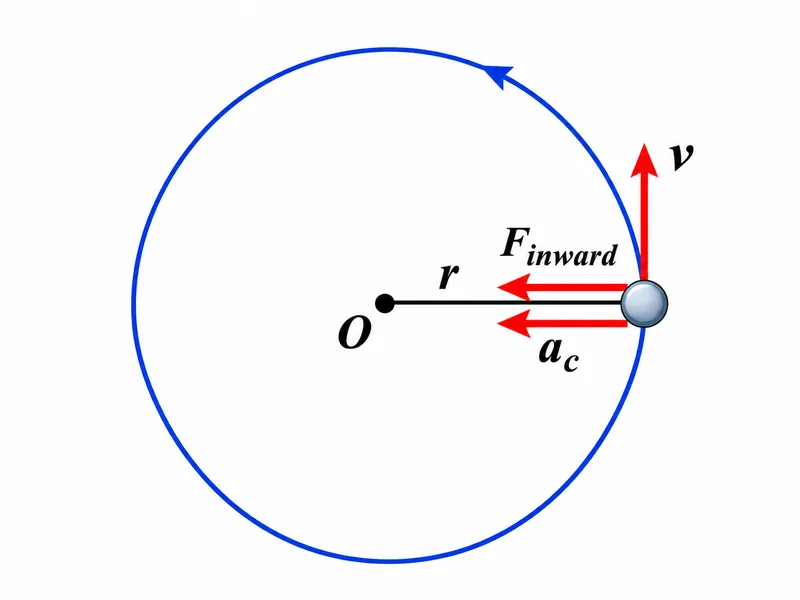 Circular motion and centripetal forceUnderstand inward acceleration, the centripetal force equation and circular speed, with a roundabout example and three exam questions.Senior school physics · 10 min · 2 diagramsStart lesson
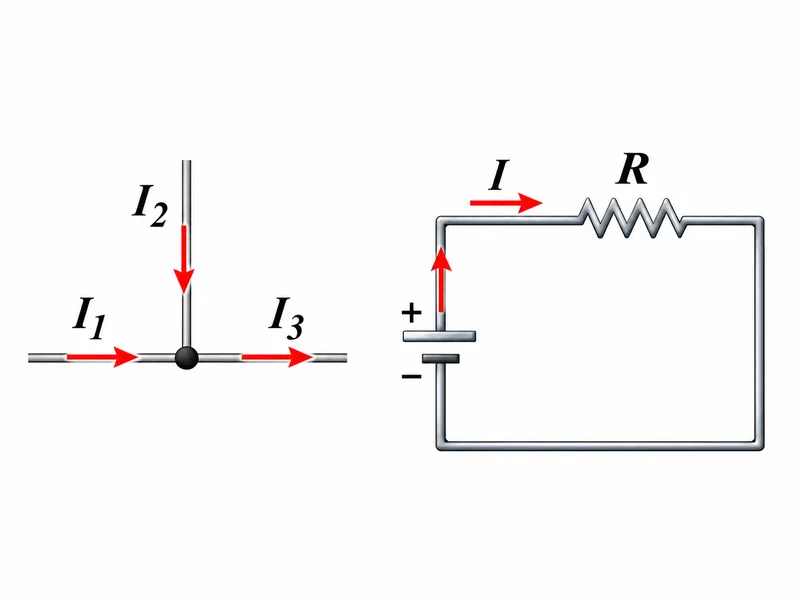 Kirchhoff's lawsApply current conservation and voltage loops to solve resistor networks, including a shared-resistor two-loop circuit.Senior school and first-year physics · 10 min · 2 diagramsStart lesson
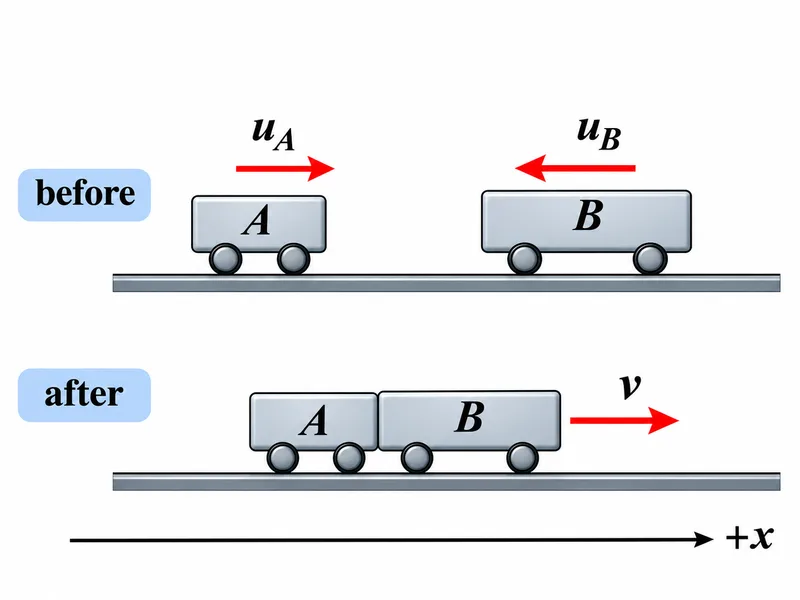 Momentum and collisionsLearn signed momentum, impulse and conservation of momentum, then solve a collision with a clear worked example and a short quiz.Senior school physics · 10 min · 2 diagramsStart lesson
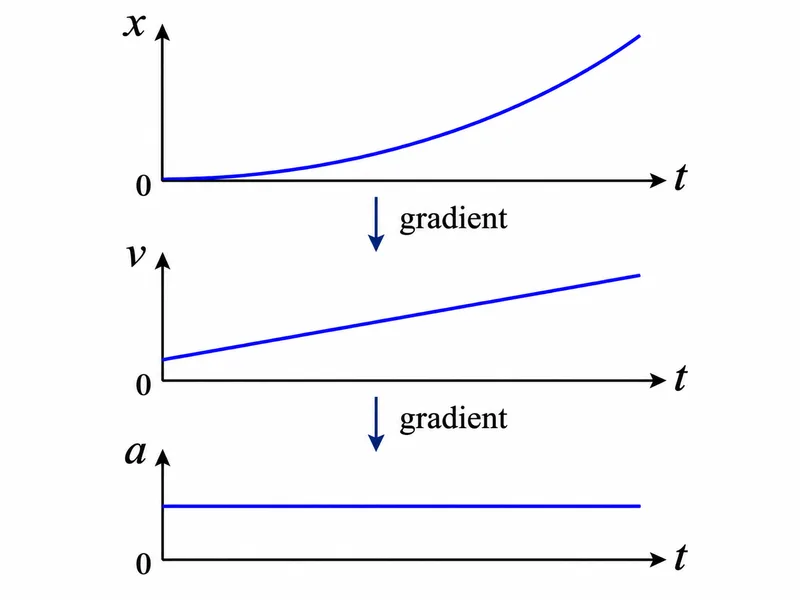 Motion graphs: displacement, velocity and accelerationRead position, velocity and acceleration graphs using gradients and signed areas, with a multi-stage motion worked example.Senior school physics · 10 min · 2 diagramsStart lesson
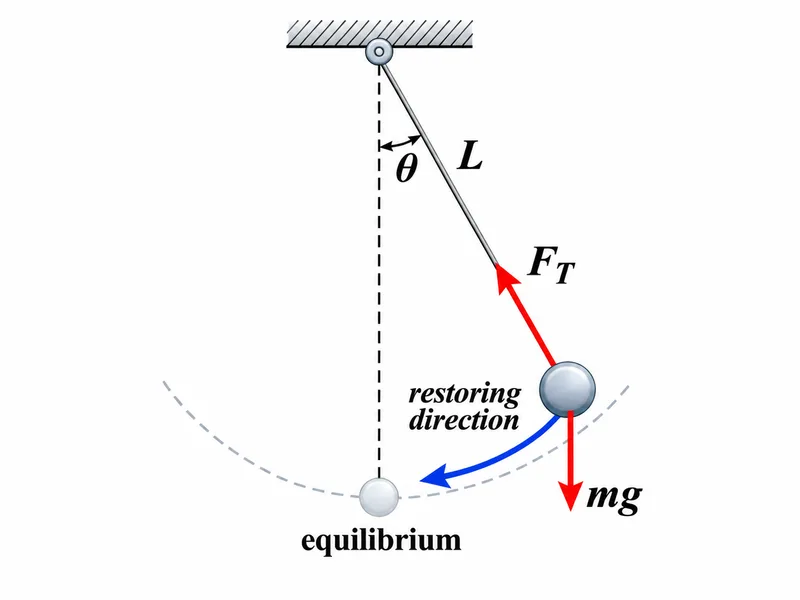 Simple harmonic motion and the pendulumLearn restoring acceleration, the small-angle pendulum approximation and period calculations through a worked example and quiz.Senior school physics · 10 min · 2 diagramsStart lesson
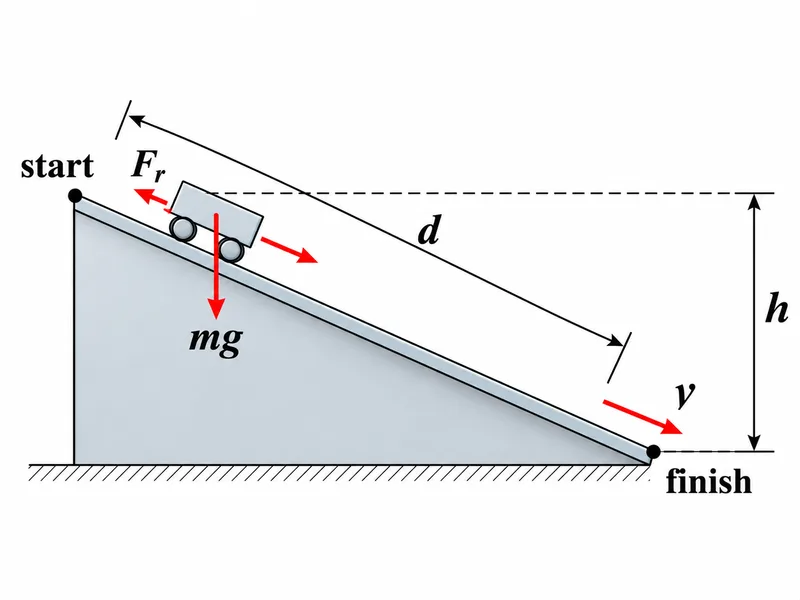 Work, energy and powerUse work, kinetic energy, gravitational potential energy and power to solve motion problems, including energy lost to resistance.Senior school physics · 10 min · 2 diagramsStart lesson
Chemistry
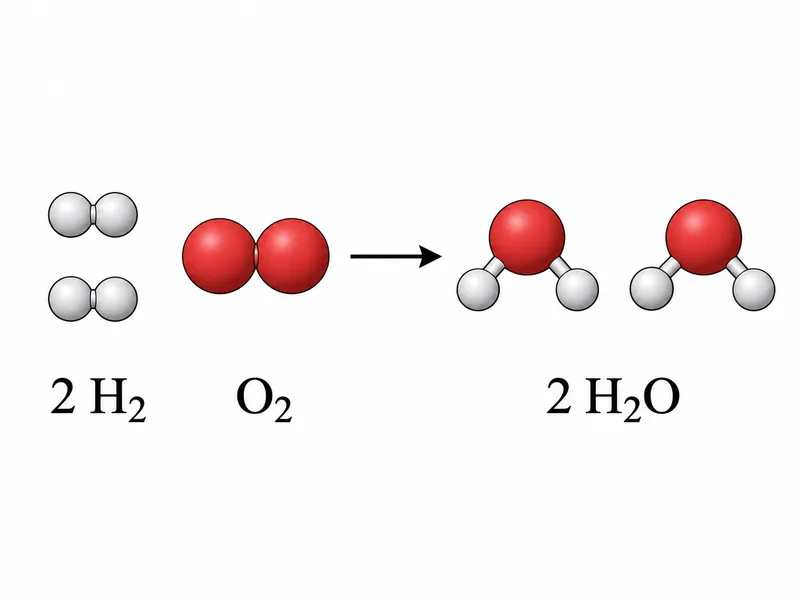
Mathematics
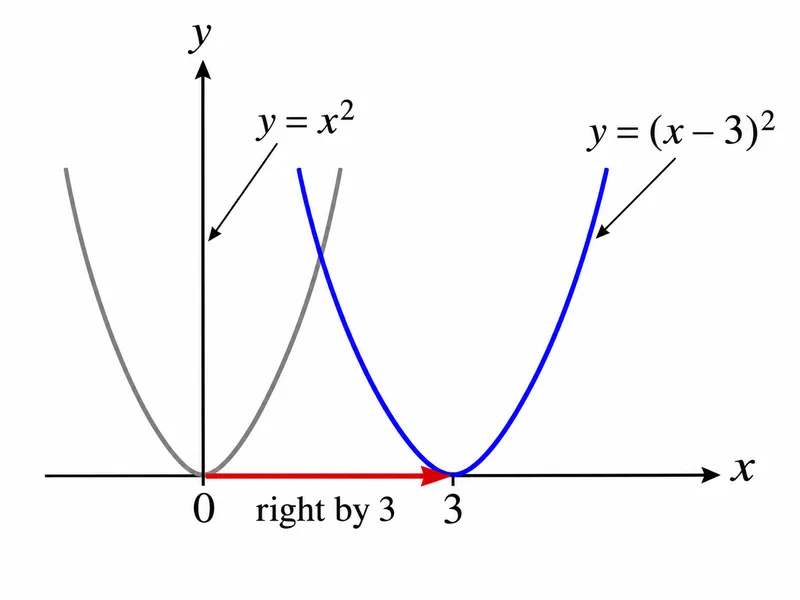 Graphs of functions and transformationsHow to sketch a function from its equation: intercepts, turning points and the shifts and stretches that move a graph, with an interactive grapher.Senior school maths · 10 min · simulation · 2 diagramsStart lesson
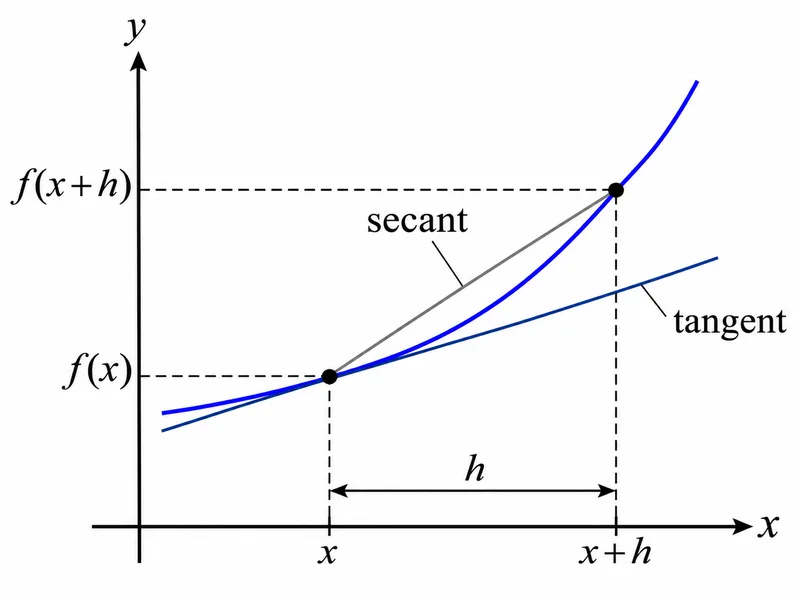 Derivatives and the chain ruleWhat a derivative means as a rate of change and a gradient, the main rules for differentiating, and how to use the chain rule step by step.Senior school calculus and first-year maths · 12 min · simulation · 2 diagramsStart lesson
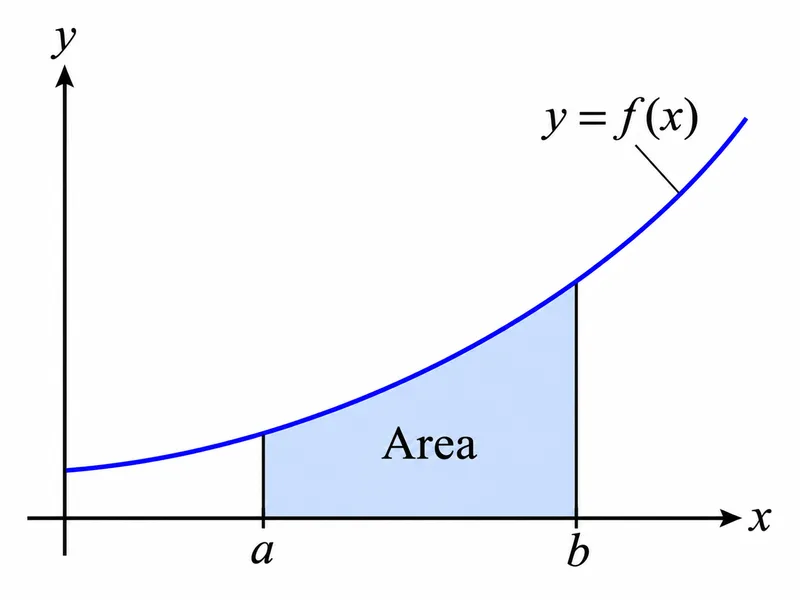 Integration and the area under a curveWhat integration means, how to find antiderivatives, and how definite integrals give the area under a curve, with a worked example.Senior school calculus and first-year maths · 10 min · simulation · 2 diagramsStart lesson
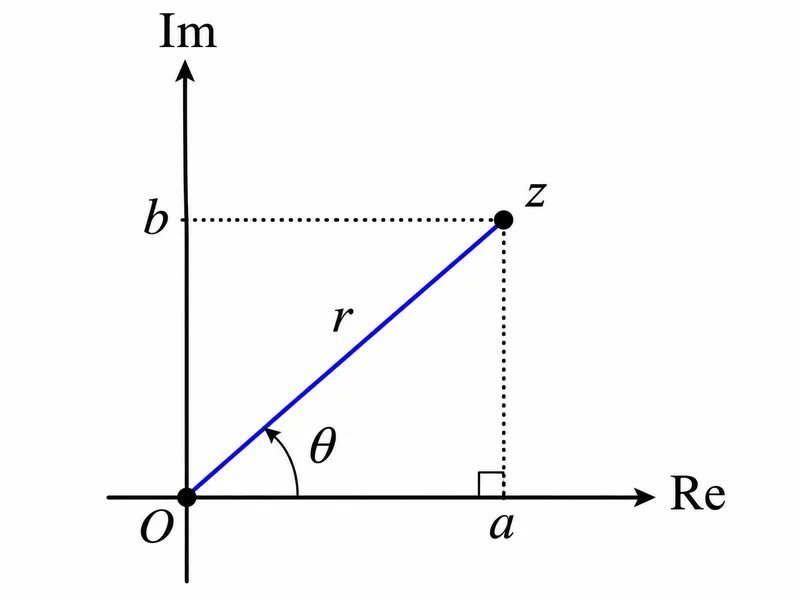 Complex numbersUnderstand imaginary numbers, complex arithmetic, conjugates, modulus, argument and polar form with a worked calculation.Senior school maths · 10 min · simulation · 2 diagramsStart lesson
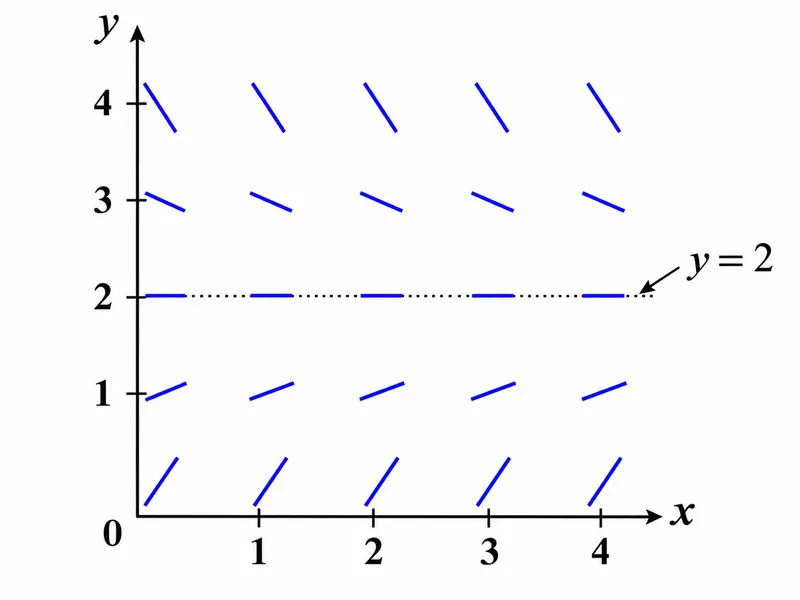 First-order differential equationsSolve separable first-order differential equations, apply initial conditions and interpret exponential models and slope fields.First-year university mathematics · 11 min · simulation · 2 diagramsStart lesson
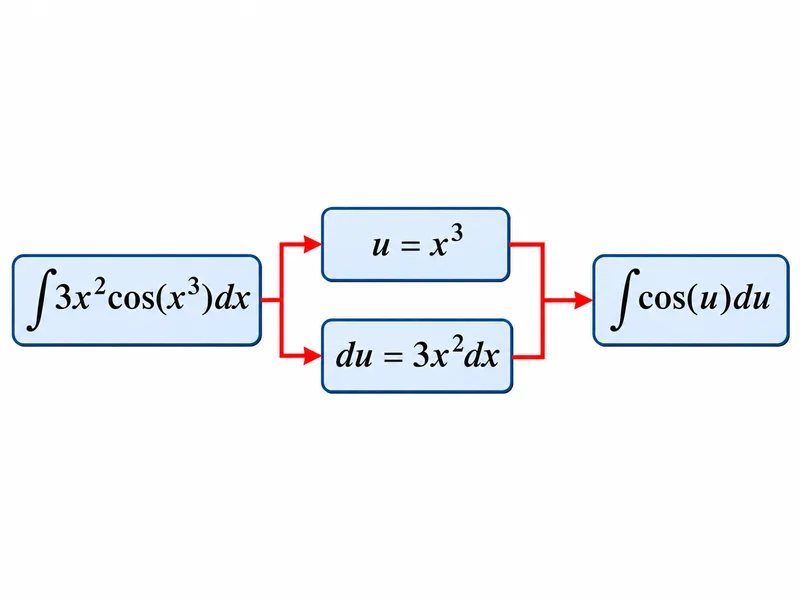 Integration by substitution and by partsLearn when to use substitution or integration by parts, how to handle definite integrals and how to check antiderivatives.First-year university mathematics · 11 min · 2 diagramsStart lesson
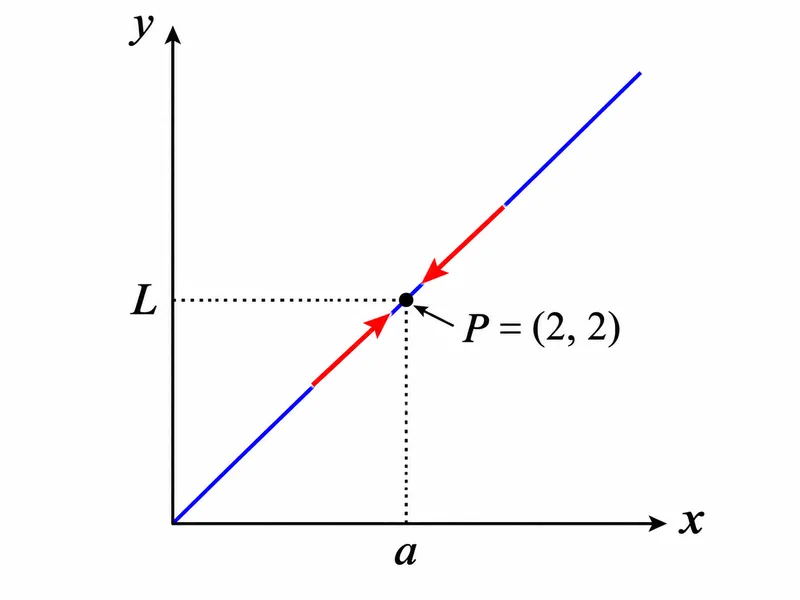 Limits and continuityUnderstand one-sided and two-sided limits, removable discontinuities and the conditions for a function to be continuous.First-year university mathematics · 10 min · simulation · 2 diagramsStart lesson
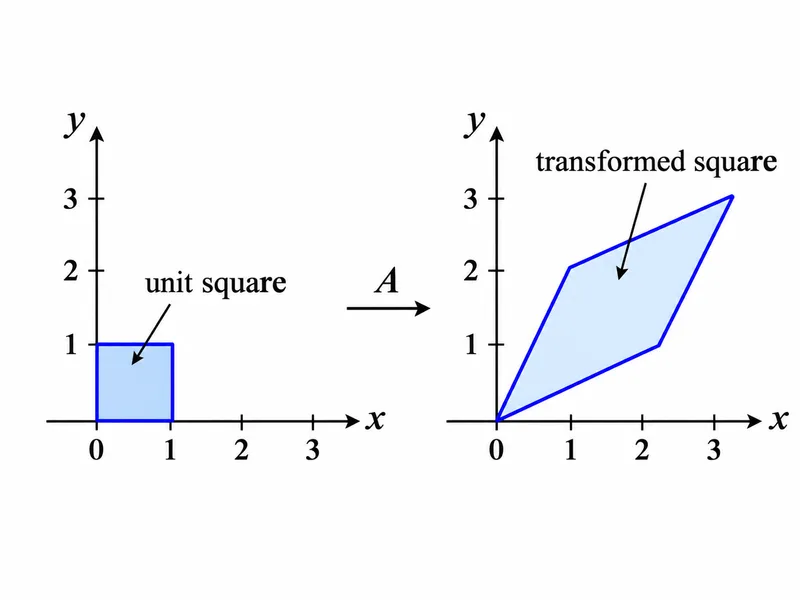 Matrices and determinantsLearn matrix multiplication, two-by-two determinants, inverse matrices and solving small systems of linear equations.First-year university mathematics · 10 min · simulation · 2 diagramsStart lesson
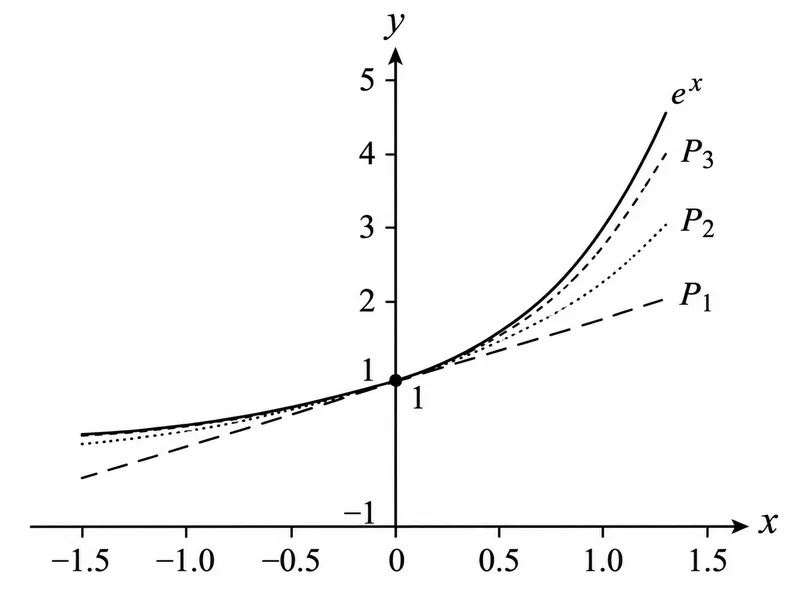 Taylor seriesBuild Taylor polynomials from derivatives, approximate functions near a point, and estimate truncation error.First-year university maths · 10 min · simulation · 2 diagramsStart lesson
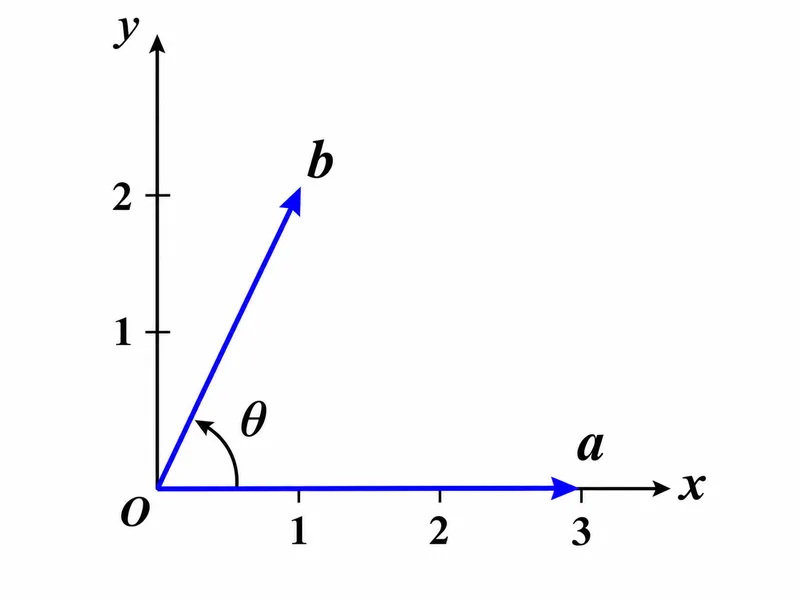 Vectors: dot and cross productCalculate dot and cross products, find angles and perpendicular directions, and choose the correct vector operation.First-year university mathematics · 10 min · simulation · 2 diagramsStart lesson
Statistics
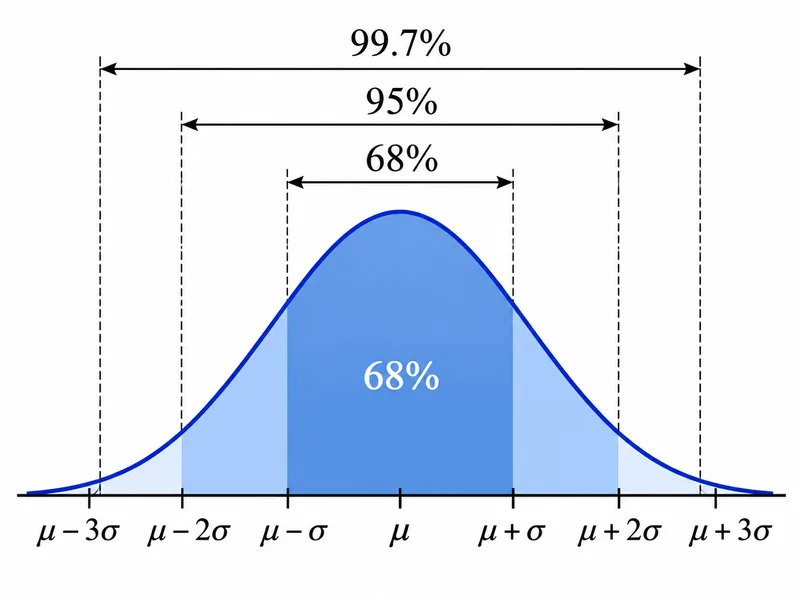 The normal distributionWhat the normal distribution is, the 68-95-99.7 rule, and how to use z-scores to find probabilities, with an interactive bell curve.Senior school and first-year statistics · 10 min · simulation · 2 diagramsStart lesson
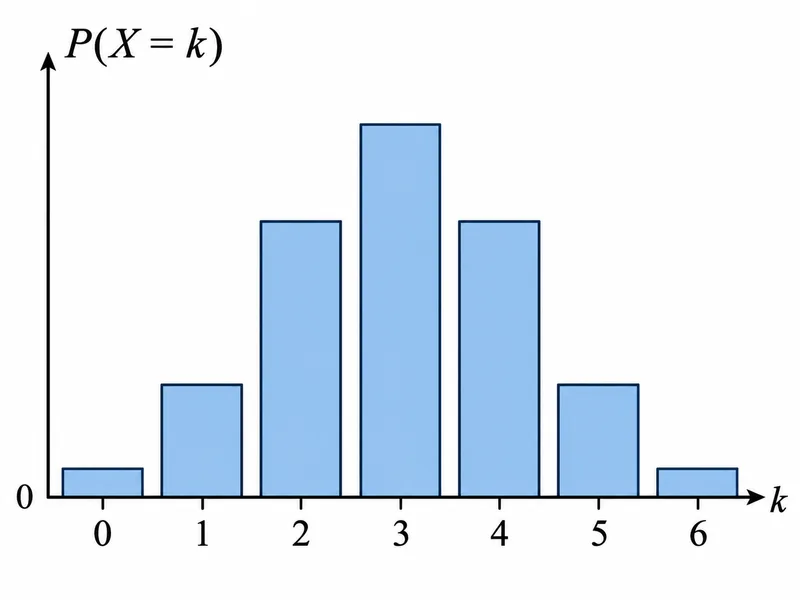 The binomial distributionRecognise binomial experiments, calculate exact and cumulative probabilities, and find the mean and variance of a binomial distribution.Senior school statistics · 10 min · 2 diagramsStart lesson
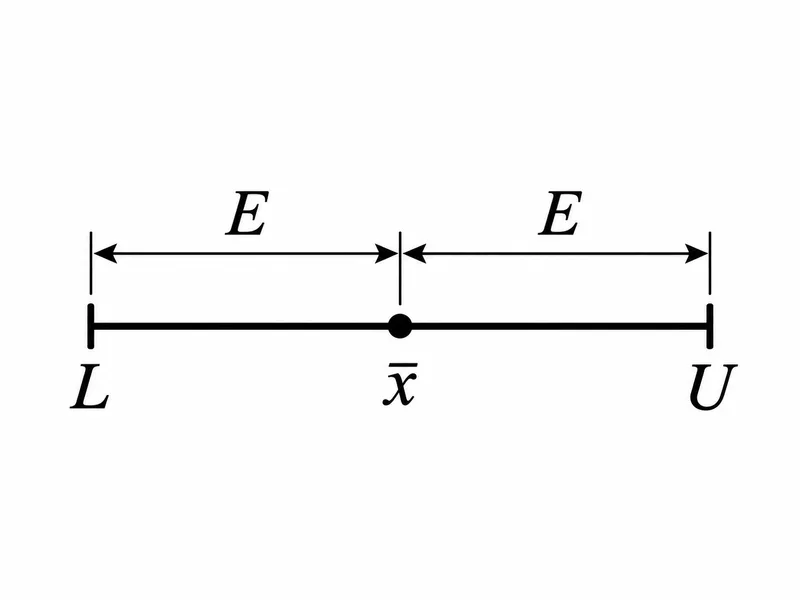 Confidence intervalsConstruct and interpret confidence intervals for a population mean, including margin of error and z versus t methods.First-year university statistics · 10 min · simulation · 2 diagramsStart lesson
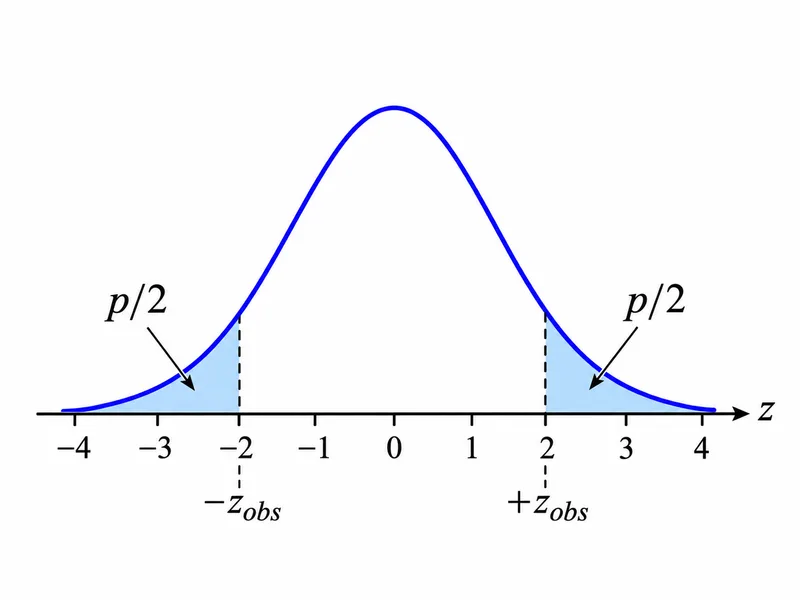 Hypothesis testing and p-valuesLearn hypotheses, test statistics, one-sided and two-sided p-values, and how to report a sound statistical decision.First-year university statistics · 10 min · simulation · 2 diagramsStart lesson
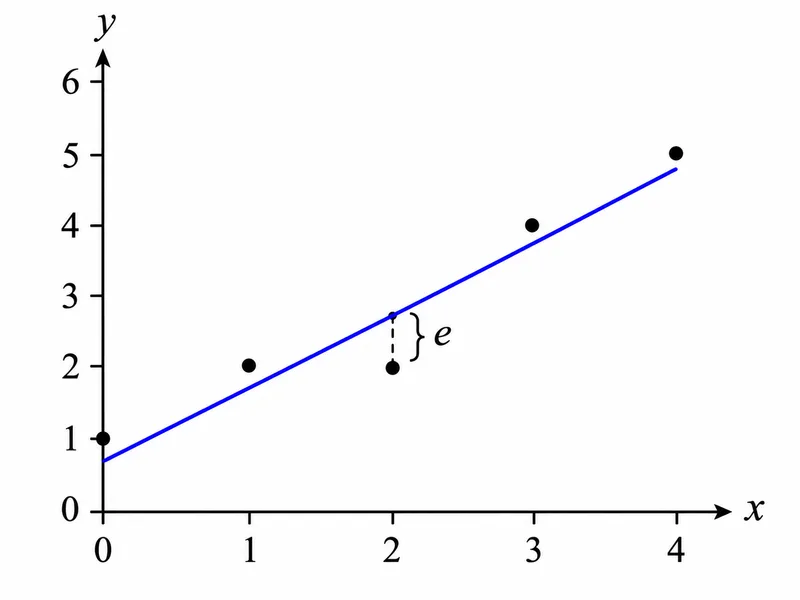 Linear regression and least squaresFind a least-squares regression line, calculate slope and residuals, and understand what predictions can and cannot show.First-year university statistics · 10 min · simulation · 2 diagramsStart lesson
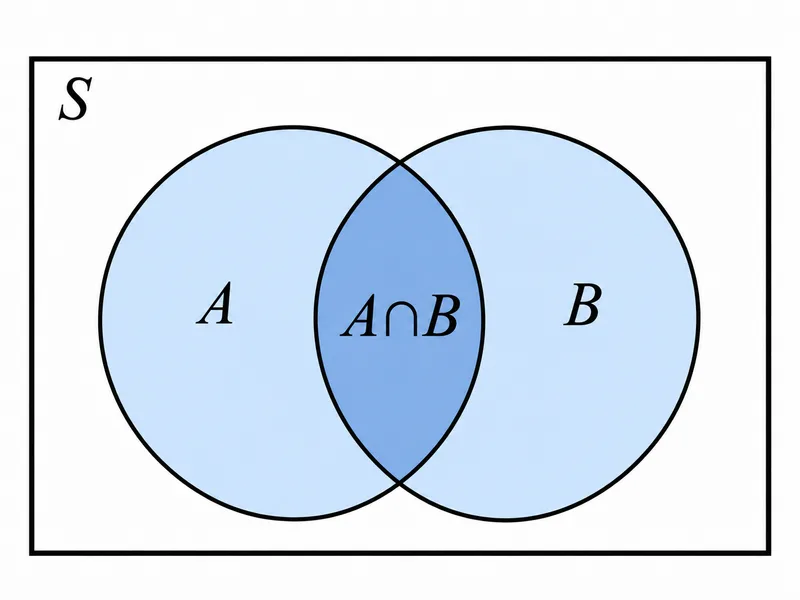 Probability rules and Bayes' theoremLearn addition, multiplication and conditional probability rules, then use Bayes' theorem to update probabilities from evidence.Senior school statistics · 10 min · 2 diagramsStart lesson
Economics
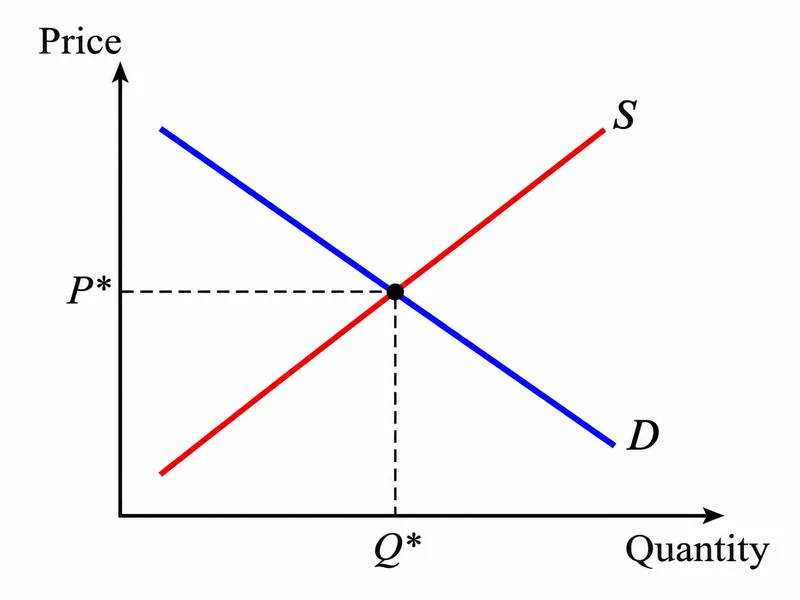 Supply and demandHow supply and demand set a market price, how to find the equilibrium from equations, and why a price ceiling causes a shortage, with a worked example.Senior school and first-year economics · 8 min · 2 diagramsStart lesson
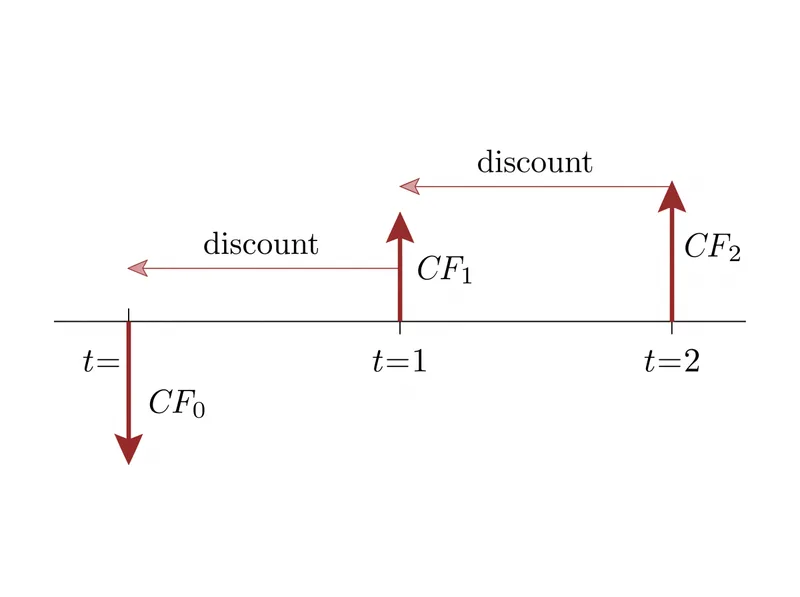 Net present value and internal rate of returnDiscount future cash flows, calculate net present value, interpret internal rate of return, and compare projects carefully.First-year university economics · 10 min · 2 diagramsStart lesson
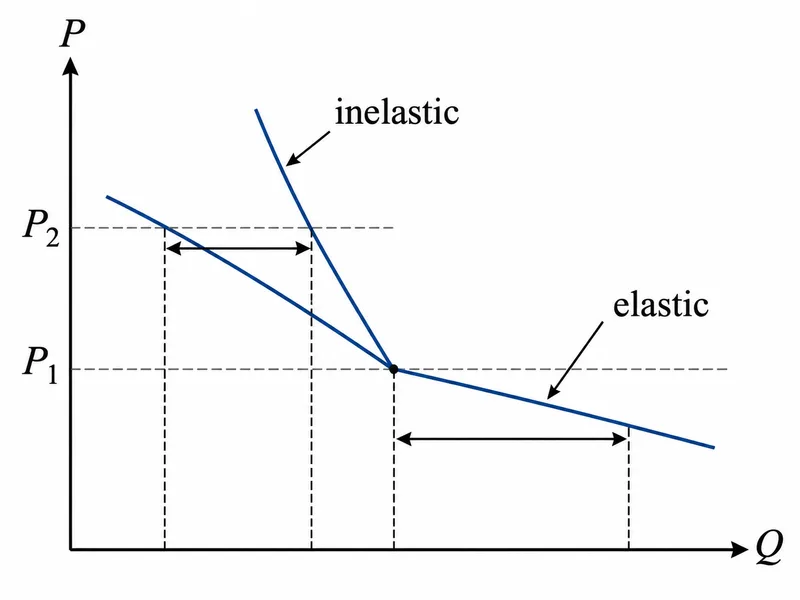 Price elasticity of demandCalculate price elasticity using the midpoint method and interpret elastic, inelastic and unit-elastic demand with revenue changes.Senior school economics · 10 min · 2 diagramsStart lesson